Itsukushima Shrine, Hiroshima Prefecture World Heritage Site: Comprehensive Explanation of the History and Charm of the Offshore Shrine
What is Itsukushima Shrine
Itsukushima Shrine (嚴島神社, itsukushima jinja) is a shrine located on Itsukushima (Miyajima) in Hatsukaichi, Hiroshima Prefecture, and was registered as a UNESCO World Cultural Heritage Site in December 1996 (Heisei 8). With an island floating in the Seto Inland Sea in the background, it features wooden structures arranged within the sea of an inlet, making it an extremely rare shrine both in Japan and in the world.
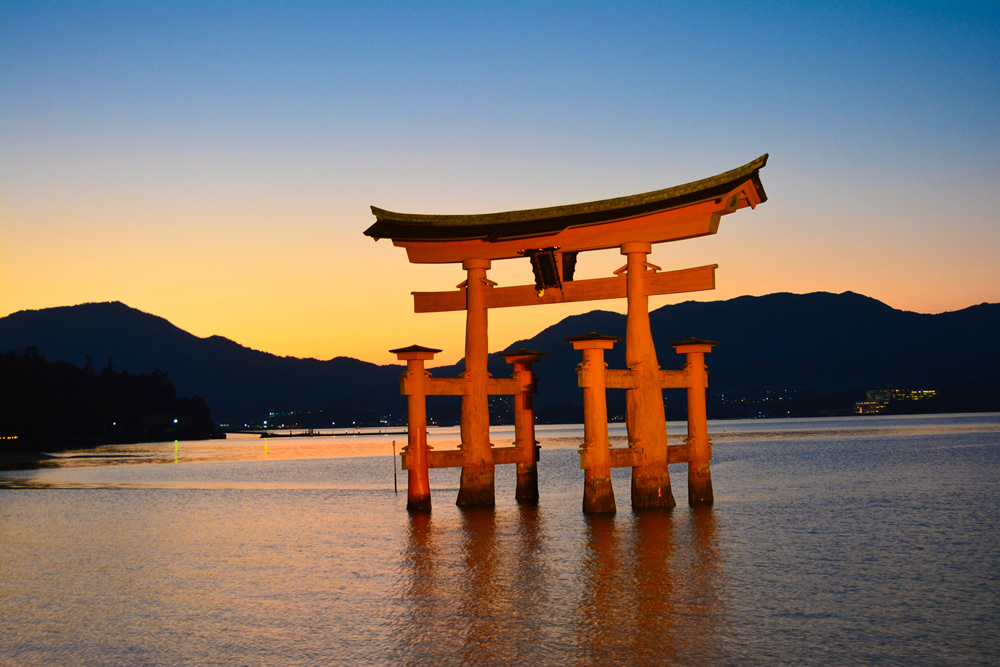
As a Shikinaisha (shrine listed in official records) and a Myojin Taisha (major shrine), it has been revered since ancient times, and is known as an iconic symbol of “Aki’s Miyajima,” one of Japan’s three most scenic views. The vermillion-lacquered grand torii gate and shrine buildings standing over the sea are highly acclaimed both domestically and internationally as a landscape embodying Japanese aesthetic sensibility.
Overview of World Heritage Registration
Registration Year and Name
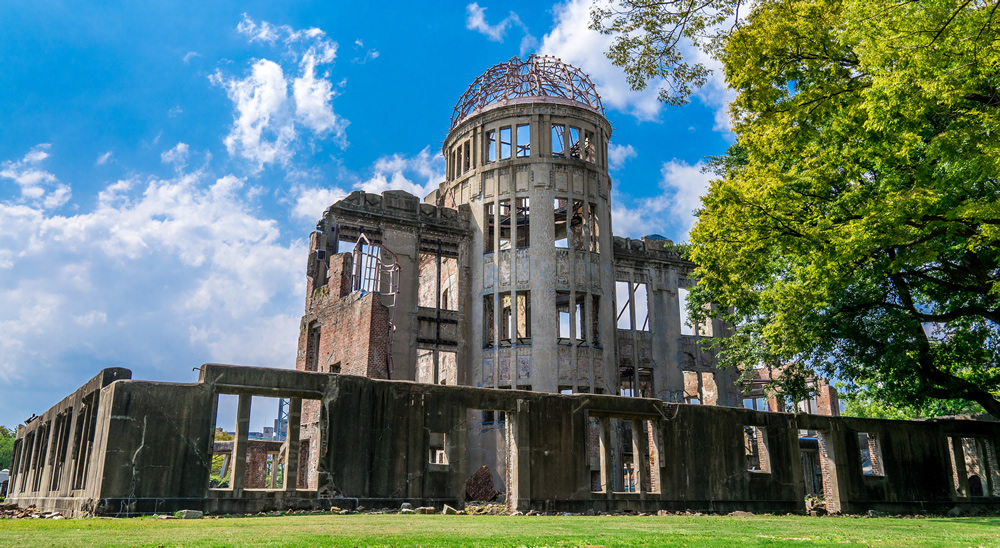
Itsukushima Shrine was officially registered as a UNESCO World Cultural Heritage Site by the World Heritage Committee in December 1996 (Heisei 8). It is one of two world heritage sites located in Hiroshima Prefecture (the other being the Atomic Bomb Dome), and both were registered in the same year.
World Heritage Registration Area
The area registered as a world heritage site encompasses the Itsukushima Shrine itself centered on the shrine buildings, the sea in front, and the forest area including Miyosen Primeval Forest (designated as a natural monument) to the rear, totaling 431.2 hectares. This expansive registration demonstrates that not only the shrine architecture but the cultural landscape encompassing the entire island as an object of faith, with harmony between nature and human-made structures, was evaluated.
Registration Criteria and Universal Value
The reasons for Itsukushima Shrine’s world heritage registration are as follows:
- The original shrine architecture constructed over the sea has no comparable examples worldwide
- The architectural complex incorporating shinden-zukuri style from the 12th century onward possesses outstanding artistic value
- The cultural landscape where faith venerating the entire island as a deity and architecture are unified
- A fusion of Japan’s traditional view of nature and architectural technology
History of Itsukushima Shrine
Foundation and Ancient Period
The founding of Itsukushima Shrine is said to have been carried out by Saeki no Kuramoto (佐伯鞍職) in 593 (Suiko 1), the year of Emperor Suiko’s enthronement. However, this is a traditional account, and it is believed that Itsukushima (Miyajima) was actually revered as a sacred island from even earlier.
The island itself had long been venerated as a deity, and ordinary people were reluctant to even set foot on it. For this reason, the unique form of constructing shrine buildings over the sea is said to have been adopted.
Taira no Kiyomori and the Development of Itsukushima Shrine
Itsukushima Shrine took on its current magnificent form during the late Heian period, in the era of Taira no Kiyomori (1118–1181). Taira no Kiyomori pacified pirates in the Seto Inland Sea and controlled maritime merchants, amassing vast wealth through Sino-Japanese trade and rapidly advancing in status.
In 1168, Taira no Kiyomori constructed grand shrine buildings incorporating shinden-zukuri style and made Itsukushima Shrine the family shrine of the Taira clan. During this period, Itsukushima Shrine became symbolic of the power of the Taira clan, and many nobles and samurai came to visit. Kiyomori deeply revered Itsukushima Shrine and made numerous dedications.
Changes in Shrine Building Configuration
The current shrine building configuration began in the 12th century but was later destroyed by fire and rebuilt in 1241 (Ninji 2). This rebuilt shrine configuration has been essentially passed down to the present day.
From the Kamakura period onward, Itsukushima Shrine continued to be revered as the chief shrine of Aki Province, and during the Sengoku period received protection from regional daimyo including Mouri Motonari. During the Edo period, it was maintained and managed under the protection of the Asano family, lords of Hiroshima domain.
Enshrined Deities and Faith
The Three Female Deities of Munakata
The deities enshrined at Itsukushima Shrine are the Three Female Deities of Munakata: Ichikishimahime no Mikoto (市杵島姫命), Tagorihuime no Mikoto (田心姫命), and Tagitsuhime no Mikoto (湍津姫命).
These three goddesses, born from the divine oath (ukei) between Amaterasu Ōmikami and Susanoo no Mikoto as described in the Kojiki and Nihon Shoki, are widely revered as goddesses of the sea, transportation, wealth and fortune, and performing arts.
Expansion of Faith
Positioned at a key point of maritime traffic in the Seto Inland Sea, Itsukushima Shrine gathered the faith of those praying for safe voyages. Particularly following Taira no Kiyomori’s emphasis on it as a base for Sino-Japanese trade, reverence from maritime and commercial interests deepened.
Furthermore, Ichikishimahime no Mikoto syncretized with Benzaiten and came to be revered as a deity of performing arts and artistic endeavors. Consequently, practitioners of the performing arts frequently visit the shrine.
Characteristics of Shrine Architecture
Shinden-zukuri Style Sacred Architecture
The greatest characteristic of Itsukushima Shrine is the incorporation of shinden-zukuri style into sacred architecture. Shinden-zukuri is an architectural style of aristocratic residences from the Heian period, and its application to shrine architecture created elegant and open spaces.
The main sanctuary, offering hall, worship hall, purification hall, and other structures are connected by covered corridors, with the whole configured as a single architectural complex. These principal structures are designated as National Treasures and represent extremely important remains in Japanese architectural history.
Structure of Offshore Shrine Buildings
The Itsukushima Shrine buildings appear to float on the sea at high tide. This is believed to result from faith venerating the entire island as a sacred object, deliberately avoiding direct construction on the ground.
The shrine buildings are supported by pillars driven into the seabed, with seawater flowing beneath the floors. This structure allows seawater to pass under the floor during typhoons and high tides, mitigating the burden on the buildings. The varying appearances shown by tidal fluctuations also constitute a major attraction of Itsukushima Shrine.
Corridors and Platform Stage
The corridors extending east and west span approximately 280 meters in total length, creating a beautiful landscape of continuous vermillion-lacquered pillars. The floorboards of the corridors have gaps allowing seawater to pass beneath at high tide, with measures taken to prevent floor board expansion.
A platform stage stands in front of the main sanctuary where bugaku (classical court dance) and other sacred performances are offered. This unique performance space with the sea as backdrop is unmatched in the world.
The Grand Torii Gate
The offshore grand torii gate, symbolic of Itsukushima Shrine, is a massive wooden torii gate approximately 16 meters in height with a circumference of approximately 10 meters at the main pillars. The current torii is the eighth generation, rebuilt in Meiji 8 (1875).
The grand torii is not embedded in the seabed but stands by its own weight. Its structure combines main pillars and subsidiary pillars with stone filling inside to increase weight and ensure stability. At low tide, visitors can walk near the torii and experience its immense scale firsthand.
National Treasures and Important Cultural Properties
Structures Designated as National Treasures
The following structures at Itsukushima Shrine are designated as National Treasures:
- Main Sanctuary
- Offering Hall
- Worship Hall
- Purification Hall
- Covered Corridors
- Noh Stage (with attached bridge approach)
These are precious structures conveying the form since their Kamakura period reconstruction, exemplifying the pinnacle of Japanese wooden architecture technology.
Important Cultural Properties
Beyond those designated as National Treasures, numerous structures are designated as Important Cultural Properties. The main sanctuaries of Kyakujinja and Daikokujinja and other subsidiary shrine structures surrounding the main sanctuary each possess high historical and architectural value.
Additionally, numerous art and craft treasures including the Heike Nōkyō (Taira clan sutras) are designated as National Treasures or Important Cultural Properties, attesting to the historical importance of Itsukushima Shrine.
Miyosen and Natural Faith
Miyosen Primeval Forest
The world heritage registration area includes the primeval forest of Miyosen (elevation 535 meters), which towers behind Itsukushima Shrine. Miyosen Primeval Forest is designated as a natural monument, preserving rich nature centered on evergreen broad-leaved forest.
Miyosen has long been revered as a sacred mountain and served as a training ground for Shugendō (mountain ascetic practice). Traditions remain of Kōbō Daishi (Kūkai) training here, and Buddhist facilities including Daishōin temple and Miyosen Honzendō are located near the summit.
History of Shinbutsu-shugo (Syncretism of Shintoism and Buddhism)
For a long time, Itsukushima saw shinbutsu-shugo, with shrines and temples coexisting. Until the Meiji Restoration’s Shinbutsu Bunri (separation of Shinto and Buddhism), Itsukushima Shrine and temples such as Daishōin formed an integrated sacred space.
The entire island including Miyosen was deemed a sacred precinct, with a unique form of faith developing that fused Shinto and Buddhism. This historical background also enhances its value as a world heritage site.
Annual Events and Festivals
Kangen Festival
The most famous annual event at Itsukushima Shrine is the Kangen Festival, held on the 17th day of the sixth lunar month (currently during the spring tide in mid-July to early August). Said to have been begun by Taira no Kiyomori, this ritual is counted among Japan’s three major boating festivals.
Boats playing classical court music (gagaku) circumnavigate the waters around Itsukushima Shrine from evening into night. The fantastical scene created by lantern-lit boats and the strains of gagaku evokes images of Heian picture scrolls.
Tamatoritakuri Festival
The Tamatoritakuri Festival, held on the 14th day of the seventh lunar month (currently mid-August), is a vigorous festival where young men in loincloths compete to seize treasure orbs mounted atop pillars erected in the sea. The fierce struggle in the seawater captivates many spectators.
Other Major Events
- Mōkasai (April 15): Spring festival ritual featuring bugaku performances
- Kiyomori Jinja Annual Festival (March 20): Annual festival of Kiyomori Shrine enshrining Taira no Kiyomori
- Chinkarisai (December 31): Fire ritual performed on New Year’s Eve
At these festivals, traditional bugaku and kagura are offered, conveying the cultural value of Itsukushima Shrine to the present day.
Cultural Heritage Components
Architectural Complexes
The cultural heritage constituting the world heritage site “Itsukushima Shrine” encompasses the main sanctuary and its surrounding subsidiary shrines, the grand torii gate, and the Noh stage, among others. Importantly, these do not simply function as individual structures but together form a single religious space.
Sea Domain
The sea area in front of the shrine buildings also constitutes a world heritage component. The seascape of shrine buildings floating on the sea at high tide would be impossible without this sea area, making it an essential element.
Forest Area
The forest area including Miyosen Primeval Forest forms the backdrop of the shrine while serving as an object of veneration as part of the faith sanctifying the entire island. The broad 431.2-hectare registration demonstrates that the architectural structures alone were not the focus of evaluation, but rather the entire cultural landscape including natural environment.
The Seto Inland Sea and Itsukushima Shrine
Key Point in Maritime Traffic
Itsukushima was positioned on a major maritime route of the Seto Inland Sea from ancient times, serving as a key point in sea traffic. This geographic condition prompted its development as a center of faith for those praying for safe voyages.
Taira no Kiyomori’s emphasis on this location as a base for Sino-Japanese trade also resulted from this geographic advantage. The history of trade and cultural exchange through the Seto Inland Sea supported the development of Itsukushima Shrine.
Value as One of Japan’s Three Most Scenic Views
Itsukushima (Miyajima), along with Matsushima and Amanohashidate, is counted among Japan’s three most scenic views. The landscape created by the calm sea of the Seto Inland Sea, its islands, and the vermillion shrine buildings has long been lauded as a beautiful scenery representative of Japan.
Following the introduction of Japan’s three most scenic views in “Nihonkoku Jiseki Kō” (An Examination of Historical Remains of Japan) by Confucian scholar Hayashi Shunjaku during the Edo period, many literati and artists have visited, using it as subject matter for poetry, calligraphy, and painting.
Visiting and Tourism Information
Access
Miyajima, where Itsukushima Shrine is located, can be reached by ferry from Miyajima-guchi in Hatsukaichi, Hiroshima Prefecture in approximately 10 minutes. Ferries operate from piers a short walk from JR Miyajima-guchi Station or Hiroden (Hiroshima Electric Railway) Miyajima-guchi Station, run by JR West Japan Miyajima Ferry or Miyajima Matsudai Steamship Company.
From Hiroshima City, the streetcar (Hiroshima Electric Railway) reaches Miyajima-guchi in approximately one hour, or JR Sanyo Main Line in approximately 25 minutes. Routes also exist for direct high-speed ferry service from Hiroshima Station to Miyajima.
Hours of Worship and Admission Fees
The hours of Itsukushima Shrine vary by season:
- January 1: 0:00–18:30
- January 2–3: 6:30–18:30
- January 4–February end, October 15–November 30: 6:30–17:30
- March 1–October 14: 6:30–18:00
- December 1–31: 6:30–17:00
Shōden-ryō (viewing fee) is 300 yen for adults, 200 yen for high school students, and 100 yen for elementary and junior high school students.
Enjoying High and Low Tides
Itsukushima Shrine presents entirely different appearances depending on tidal conditions. At high tide, the shrine buildings appear to float on the sea, creating a mystical atmosphere. Conversely, at low tide, visitors can walk near the grand torii gate and experience its immense scale firsthand.
By checking tidal tables before visiting and seeing Itsukushima Shrine during both high and low tide, one can fully appreciate its diverse attractions. Tidal information is provided on websites such as that of the Miyajima Tourism Association.
Nearby Points of Interest
Numerous other attractions exist in the Itsukushima Shrine area:
- Miyajima Omotesandō Shopping Street: Enjoy Miyajima cuisine including momiji manju (maple leaf cakes) and oyster dishes
- Daishōin: An ancient Shingon Buddhist temple with connections to Kōbō Daishi
- Kouyoudani Park: Beautiful autumn foliage can be enjoyed
- Miyosen: Accessible by ropeway to near the summit with panoramic views of the Seto Inland Sea
- Miyajima Aquarium (Miyaji Marine): Displays marine life of the Seto Inland Sea
Efforts in Preservation and Transmission
Restoration and Conservation Activities
As a world heritage site, Itsukushima Shrine undergoes periodic restoration and conservation work. Due to its unique structure over the sea, deterioration from sea breezes and seawater is inevitable, requiring ongoing maintenance.
The grand torii gate underwent major preservation and restoration work from June 2019 (Reiwa 1) through December 2022 (Reiwa 4), representing the first major renovation in approximately 70 years, including roof re-tiling and repainting.
Cultural Property Protection Issues
Itsukushima Shrine faces the following challenges:
- Response to natural disasters: Risk of damage from typhoons and storm surge
- Response to increased tourism: Following world heritage registration, tourist numbers have increased dramatically, raising concerns about strain on structures and environmental impact
- Transmission of traditional techniques: Shrine restoration requires specialized techniques, making craftsperson training a pressing issue
- Climate change impact: Concerns exist about the effects of rising sea levels and increasingly extreme weather on the offshore shrine buildings
Sustainable Tourism
Itsukushima Shrine and Miyajima are working toward balancing cultural heritage protection with tourism promotion. Activities include tourist etiquette campaigns, provision of information to alleviate congestion, and environmental conservation initiatives.
The Significance of Itsukushima Shrine as a World Heritage Site
Recognition of Universal Value
The registration of Itsukushima Shrine as a world heritage site means its value has been internationally recognized as important not only within Japan but for all humanity.
The innovative architecture constructed over the sea, the continuous faith spanning more than 1,000 years, and the cultural landscape harmonizing nature and human-made structures are rare worldwide. Their preservation together in integrated form has been highly valued.
Symbol of Japanese Culture
Itsukushima Shrine serves as an important embodiment of Japan’s traditional view of nature, aesthetic sensibility, architectural technology, and forms of faith, playing a crucial role in conveying Japanese culture to the world.
The faith sanctifying the entire island, viewing the sea as a pure place washing away defilement, and the architectural philosophy emphasizing harmony with nature demonstrate core values underpinning Japanese culture.
Transmission to Future Generations
World heritage registration brings with it responsibility for transmitting Itsukushima Shrine to future generations. Various initiatives including cultural property preservation, continuation of traditional events, and technique transmission are required to protect this precious heritage.
Conclusion
Itsukushima Shrine located on Miyajima in Hatsukaichi, Hiroshima Prefecture, is a representative Japanese shrine registered as a UNESCO World Cultural Heritage Site in 1996. The innovative shrine buildings constructed over the Seto Inland Sea, a history spanning more than 1,000 years, faith in the Three Female Deities of Munakata, and a cultural landscape integrating the natural environment including Miyosen Primeval Forest have achieved world recognition of their value.
The shinden-zukuri style shrine buildings organized by Taira no Kiyomori in the 12th century have conveyed their fundamental form to the present since their reconstruction in 1241. The architectural complex designated as National Treasures including the main sanctuary, the grand torii gate standing over the sea, and the landscape transformed by tidal fluctuations continue to captivate all who visit.
Known as one of Japan’s three most scenic views, Miyajima welcomes year-round pilgrims and tourists as an island centered on Itsukushima Shrine devoted to faith and tourism. Efforts continue to preserve its world heritage value while transmitting it to future generations.
Itsukushima Shrine is a world-class cultural heritage in which Japanese history, culture, nature, and faith are fused. Understanding its value and experiencing it firsthand allows one to appreciate the depth of Japanese culture.